Prototype PCB assembly is a critical stage in the electronics development process where a circuit board design is transformed into a physical, working prototype. This process allows engineers and product developers to validate designs, test functionality, identify potential issues, and optimize performance before moving to mass production. By using prototype PCB assembly, companies can reduce risks, save costs, and accelerate product development cycles while ensuring their electronic designs meet technical and performance requirements.
What Is Prototype PCB Assembly
Prototype PCB assembly refers to the manufacturing and assembly of a small batch of printed circuit boards for testing and validation purposes. Unlike large-scale production, prototype PCB assembly focuses on flexibility, speed, and accuracy rather than volume. It enables designers to evaluate circuit behavior, component placement, and system integration in real-world conditions.
In modern electronics development, prototype PCB assembly is essential for startups, research teams, and established manufacturers alike. It provides a practical way to verify design assumptions and refine products before committing to full-scale manufacturing.
Importance of Prototype PCB Assembly
Prototype PCB assembly plays a vital role in minimizing design errors and improving product reliability. Testing a physical prototype helps detect issues that cannot be identified through simulations alone. These may include signal integrity problems, thermal issues, component compatibility challenges, or layout inefficiencies.
By leveraging prototype PCB assembly, engineers can make informed design improvements early in the development process. This approach significantly reduces the likelihood of costly redesigns during mass production and ensures smoother transitions from design to manufacturing.
Key Processes in Prototype PCB Assembly
The prototype PCB assembly process involves multiple technical steps designed to ensure accuracy and functionality.
PCB Fabrication
The first step in prototype PCB assembly is fabricating the bare PCB based on the design files. This includes layer stacking, copper etching, drilling, and surface finishing. Precision in fabrication is crucial because even minor deviations can impact circuit performance.
Component Placement
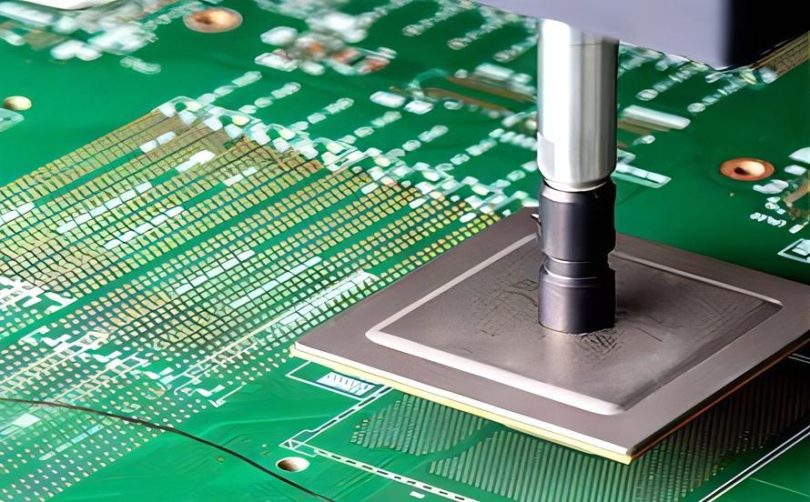
Once the PCB is fabricated, electronic components are placed on the board. Both surface-mount technology (SMT) and through-hole components may be used depending on the design requirements. Accurate placement is essential to ensure proper electrical connections and reliable operation.
Soldering and Assembly
Soldering is a core part of prototype PCB assembly. Reflow soldering is typically used for SMT components, while wave soldering or manual soldering may be applied for through-hole parts. High-quality solder joints are necessary to ensure mechanical stability and electrical continuity.
Inspection and Testing
After assembly, prototype PCB assembly undergoes inspection and testing. Automated optical inspection (AOI), X-ray inspection, and functional testing are commonly used to verify assembly quality and circuit performance. These tests help identify defects and confirm that the prototype meets design specifications.
Advantages of Prototype PCB Assembly
Prototype PCB assembly offers several advantages that make it indispensable in product development.
Faster Time to Market
By quickly producing functional prototypes, companies can accelerate development timelines. Prototype PCB assembly allows teams to test and iterate designs rapidly, reducing the time required to launch new products.
Cost Efficiency
Although prototype PCB assembly may have higher per-unit costs compared to mass production, it helps avoid expensive design errors later. Early detection of issues significantly reduces overall development costs.
Design Validation
Prototype PCB assembly provides a tangible platform for validating design concepts. Engineers can analyze circuit behavior, optimize layouts, and ensure compliance with technical standards before scaling production.
Flexibility and Customization
Prototype PCB assembly supports custom designs and rapid modifications. Designers can experiment with different components, layouts, and materials to achieve optimal performance.
Applications of Prototype PCB Assembly
Prototype PCB assembly is widely used across various industries.
Consumer Electronics
Smartphones, wearable devices, and smart home systems rely on prototype PCB assembly during development to ensure functionality and performance.
Industrial and Automotive Systems
Prototype PCB assembly is used to test control systems, sensors, and automation equipment in industrial and automotive applications.
Medical and Aerospace Electronics
Medical devices and aerospace systems require rigorous testing and validation. Prototype PCB assembly helps ensure reliability and safety in these critical applications.
IoT and Embedded Systems
IoT devices and embedded systems use prototype PCB assembly to test connectivity, power efficiency, and system integration.
Challenges in Prototype PCB Assembly
Despite its advantages, prototype PCB assembly presents certain challenges. Component availability, design complexity, and tight timelines can impact the assembly process. Additionally, ensuring consistent quality in small-batch production requires skilled technicians and advanced manufacturing capabilities.
To overcome these challenges, it is essential to collaborate with experienced professionals who understand both design and manufacturing requirements. Effective communication between designers and manufacturers plays a key role in successful prototype PCB assembly.
Future Trends in Prototype PCB Assembly
As electronics continue to evolve, prototype PCB assembly is becoming more sophisticated. Advanced materials, high-density interconnect technologies, and automated assembly processes are shaping the future of prototyping. The integration of AI-driven design tools and digital manufacturing platforms is further enhancing the efficiency and accuracy of prototype PCB assembly.
Conclusion
Prototype PCB assembly is a fundamental step in transforming innovative ideas into functional electronic products. It bridges the gap between design and mass production by enabling testing, validation, and optimization of circuit boards in real-world conditions. Whether you are developing a new product or improving an existing design, working with a reliable PCB assembly company ensures high-quality prototypes, faster development cycles, and scalable manufacturing solutions tailored to your project needs