
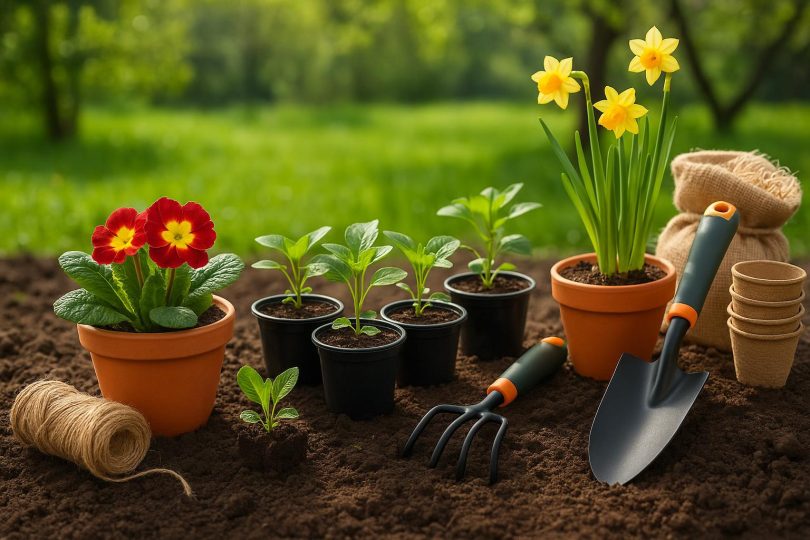
Gardening and creating your own beautiful outdoor space can be an incredibly rewarding hobby, but it often requires a significant investment of both time and effort. In today’s busy world, many of us simply don’t have the time to commit to labour-intensive maintenance tasks throughout the year. Fortunately, there are plenty of ways to reduce the workload without compromising on results. From choosing low-maintenance materials such as composite decking to smarter planting strategies, there are many simple changes that can make gardening easier. In this article, we highlight some of our favourite time-saving tips for springtime gardening, so you can spend less time maintaining your garden and more time relaxing in the sunshine.
Plan Ahead For Next Year
One of the best time saving tips for a successful garden is to plan effectively and save yourself headaches in the future. For example, investing in annual plants means you can avoid repotting to begin a new planting theme from scratch, as annual plants re-seed themselves. Examples of annual plants include poppies, sweet peas, marigolds, and sunflowers. Begin planting annuals this year, and come the next spring, you may enter your garden space after the winter months to find a flower bed of intense, vibrant colour, all without you having to do anything else.
Other tasks you can start that will save you time in the future is creating your own compost. Making your own fertiliser is a brilliant way to ensure a nutrient rich soil quality for your planting, not to mention saving you the back-and-forth lugging of bags of heavy fertiliser from garden centres! Grass cuttings, fallen leaves, rotten food waste – it can all go into your compost. We recommend choosing a long-life material for your bin. Recycled plastic compost bins are a great choice, as they come supplied in a rustic, textured brown, helping to blend in with the rest of your garden design. Alternatively, you can build your own, using scrap pieces of timber. Either way, position your compost bin in a shaded environment, to help to keep a more consistent temperature.
Keep The Wind Out!
It is undeniable that a huge component of growing vegetables involves trial and error, especially if you are a novice to the gardening process. Despite this, there are many ways that you can encourage a more successful yield of produce. Investing in a greenhouse or a garden shed is a fantastic way to maintain a more consistent temperature, and protect your growing vegetables from cold frosts, wind, and even pilfering pests. The springtime can be still deceptively cold, despite the sunshine and clear skies, so don’t be lulled into a false sense of security just because it looks slightly warmer!
If your budget or space cannot accommodate a full greenhouse, there are alternatives that allow you to achieve a similar effect. Smaller cold frames are great, simple additions to your garden space, and only take up a fraction of the room that a full greenhouse would. Similarly, small garden grow tunnels provide a protective shelter against the wind. These can be purchased from most garden centres relatively cheaply. If you are handy with DIY, you can even make your own grow tunnels with wire and plastic sheeting.
Growing Wild Gardens
While we all like to enjoy our gardens, there is a lot of backbreaking work that goes into keeping them looking their best, especially in the warmer seasons. However, you might be surprised to learn that neat, straight cut lawns are falling out of fashion, for both aesthetic and ecological reasons. Instead, letting your lawn grow into a so-called “wild garden” is becoming increasingly trendy. These wild gardens can encourage more biodiversity in your garden space, as certain species of grass will begin to flourish as you use your lawnmower less, which in turn, attracts more wildlife.
Maintaining a wild garden can also reduce the amount of time spent on labour-intensive gardening tasks, such as mowing and pruning. While a wild garden will still require occasional maintenance, it is generally far less demanding than maintaining a perfectly manicured lawn. Certain weeds, such as thistles, should still be removed before they become established, but these can usually be tackled with occasional hand weeding. By embracing a slightly more natural approach, you’ll not only save time but also create a richer habitat for wildlife and pollinating insects.
Build A Deck Or Patio Space
If you no longer want the inconvenience of seeding, growing, or maintaining a larger lawn space, there is the option to cover some of the area with a decking or patio build, or replace it entirely. Both decking boards and patio slabs provide the perfect space for a BBQ, outdoor kitchen, and outdoor furniture. They can also provide a much-needed visual texture to your garden space, creating separate “zones” in the same way that separate rooms in a house can embody a different atmosphere and vibe.
There are many options for decking boards, including traditional timber, aluminium and composite decking. Timber decking has a beautiful natural appearance but requires regular staining and sealing to protect it from moisture and weathering. For homeowners looking to minimise ongoing maintenance, aluminium and composite decking offer an excellent alternative. Composite decking only requires occasional cleaning to keep it looking its best, making it an ideal solution for busy households wanting an attractive, low-maintenance outdoor living space.
If your garden forms part of a commercial property, holiday park or hospitality venue, complementary features can also improve the overall visitor experience. Professionally designed traditional signage helps visitors navigate outdoor spaces, while digital signage can display seasonal information, promotions or events. Where indoor visitor facilities are provided, energy-efficient hand dryers also provide a practical, sustainable solution for busy washrooms.
To conclude, with some careful preparatory planning and wise investments, you can create a garden space that requires less time to successfully maintain. Planning with annual plants can save you the task of replanting every single year. Transforming your unwanted garden waste into compost can help with more successful planting, and protecting your growing vegetables with an outdoor shelter can result in a bountiful harvest. Finally, letting your garden grow wild, in tandem with a decking or patio space, can help you to spend less time mowing, pruning, and seeding. We hope you have found our tips valuable – and that they save you some time in the future!