
Eloah Rocha is a child psychologist and counselor with more than two decades of experience working with children, adolescents, and families. Since 2004, she has served at Los Angeles Children’s Hospital, where she manages a youth activity center, develops daily programming, and supervises childcare staff. Her professional work has included research on patient and sibling interactions, family-focused remedial therapy strategies, and how children of different ages cope with having a hospitalized sibling. Outside of her clinical responsibilities, she remains active in community service, supporting youth programs, charitable events for children with disabilities, and educational initiatives. As someone who enjoys outdoor recreation, including swimming, running, and biking, Eloah Rocha brings a practical appreciation for family-friendly activities and destinations, making the topic of visiting Florida springs relevant from a recreational and planning perspective.
What to Know Before Visiting a Florida Spring
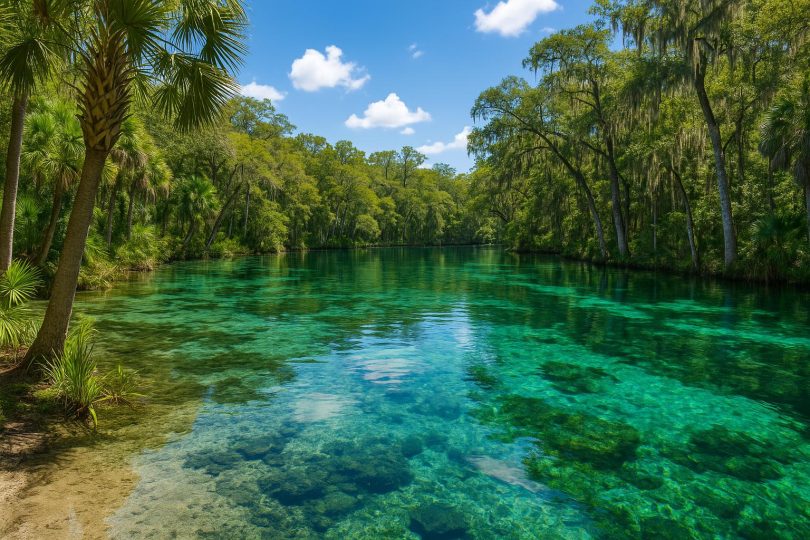
A spring forms where groundwater reaches the surface through a natural opening, often creating a clear pool or flowing run. In Florida parks, springs are used for activities such as swimming, snorkeling, paddling, tubing, picnicking, and wildlife viewing. Although the water may appear calm and clear, visitors should understand park rules regarding entry, water use, and safety.
The first decision is what kind of spring visit fits the day. Some visitors may want a marked swimming area, while others may need a tubing route, paddle launch, picnic space, or wildlife-viewing stop. A family planning a short swim may need parking, restrooms, and a defined swimming area more than a long river route.
Timing matters because popular springs can fill quickly. During high-visitation periods or summer days, some parks may reach capacity, require day-use reservations, or temporarily close entry. Checking the official park page before leaving can prevent a long drive to a full entrance or a missed reservation requirement.
Spring water can feel colder than expected. Several Florida spring swimming areas stay near 72 degrees year-round, which can feel refreshing and then chilly after a longer stay. Depth varies by site; one pool may average only a few feet, while another may reach much deeper water. Current, entry style, and time in the water can affect comfort, especially for new swimmers or anyone who tires quickly.
Not all visible water areas are open for swimming. Park staff often restrict access to designated zones, such as spring pools or marked sections, while nearby areas remain closed. Following these boundaries helps ensure safety and protect sensitive environments.
A tubing visit depends on more than bringing something that floats. Tube size, launch location, tram access, rental options, takeout time, and river closing time can shape the entire trip. Posted rules may also restrict pets, coolers, disposable items, large inflatables, or other gear, so visitors should check the park’s tubing page before packing.
Beyond water activities, visitors share the shoreline with wildlife. Florida freshwater areas can include alligators, fish, turtles, and other animals, so people need to keep a distance from wildlife and avoid feeding any animal. Pets near shorelines can create unsafe wildlife encounters, so visitors should keep them leashed and away from the water.
Families with children, non-swimmers, or visitors who need accessible entry points should look closely at facility information. Some swimming areas do not have lifeguards, and posted swimming information may require children or non-swimmers to stay with an adult swimmer. Water depth, steps, slopes, no-diving rules, and whether the park permits flotation devices can determine whether the area fits the visit. A swim lift may also matter for visitors who need help entering or leaving the water.
Heavy use can damage a spring edge even when the water looks clear. Foot traffic near shoreline vegetation, closed areas, or riverbanks can loosen soil and add wear to places that recover slowly. Visitors reduce that pressure when they use marked entries, follow posted activity limits, and leave closed areas undisturbed.
Visitors have a better spring day when they treat posted signs, official park pages, and staff directions as part of the visit rather than obstacles to work around. That approach reduces rushed decisions at crowded entrances, confusion at the water’s edge, and damage from unplanned entry points. It leaves more of the day for the spring itself while helping the shoreline handle steady public use.
About Eloah Rocha
Eloah Rocha is a child psychologist and counselor who has worked at Los Angeles Children’s Hospital since 2004. Her responsibilities include managing a youth activity center, creating daily schedules, and supervising childcare staff. She has conducted research focused on patient and sibling interactions, family-centered remedial therapy strategies, and coping mechanisms among children with hospitalized siblings. Outside of her professional work, she supports youth-focused community initiatives and enjoys swimming, long-distance running, biking, meditation, and reading.