
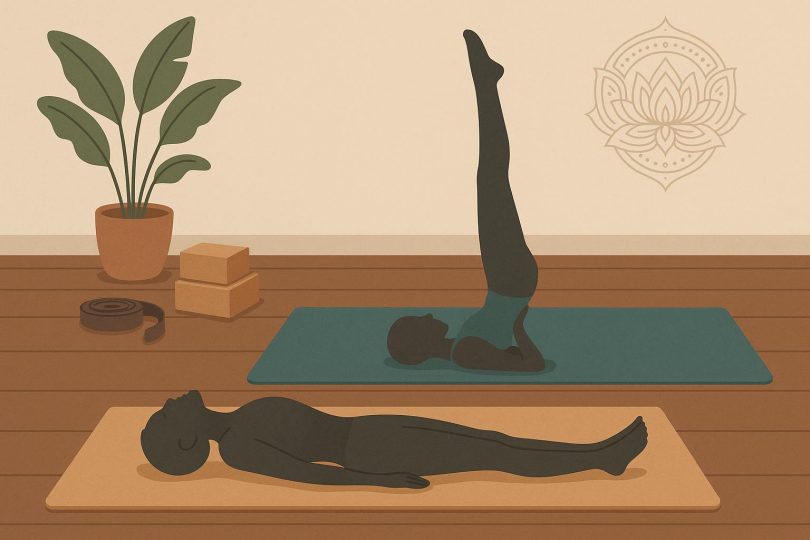
Yoga practice often becomes more meaningful when individual poses are understood within the context of a broader routine rather than as isolated movements. Different asanas contribute unique positioning, breathing experiences, and movement patterns that together create a more balanced practice structure. As practitioners become more familiar with pose sequencing, they often begin exploring how specific asanas complement one another within a session.
Within this approach, balanced matsyasana is frequently discussed as part of routines that emphasize posture awareness, breathing space, and controlled participation. Alongside other structured poses, it contributes to a practice environment where movement is guided by alignment, familiarity, and gradual progression rather than intensity alone.
Why Is Matsyasana Often Included in Structured Yoga Routines
Matsyasana is commonly recognized for its distinctive positioning and its role within many traditional yoga sequences. A classic Matsyasana practice often emphasizes chest opening, upper-body awareness, and controlled posture positioning that encourages practitioners to become more conscious of their alignment during participation.
Rather than focusing on rapid movement or demanding transitions, this pose is generally approached through steady positioning and breathing coordination. Attention is often directed toward maintaining comfort while developing familiarity with body placement and movement control. This measured participation allows practitioners to engage with the pose in a way that feels structured and approachable.
Many yoga practitioners appreciate the role of traditional matsyasana within longer routines because it can serve as part of a balanced movement sequence. Through repeated practice, individuals often develop greater awareness of posture habits, breathing rhythm, and the relationship between alignment and movement participation, making the pose a familiar component of structured yoga sessions.
How Does Sarvangasana Support Controlled Yoga Participation
Sarvangasana is frequently explored by practitioners interested in developing greater awareness of alignment, positioning, and controlled participation within yoga routines. An aligned sarvangasana approach typically emphasizes careful body organization and deliberate movement transitions that encourage steadiness throughout the pose.
Unlike faster movement-based practices, Sarvangasana generally requires attention to positioning, balance, and participation awareness. Practitioners often focus on maintaining a stable structure while coordinating breathing with body placement. This emphasis on control can help create a more mindful practice experience where movement quality takes priority over speed or repetition.
A structured sarvangasana routine is often valued because it encourages participants to approach movement with patience and consistency. Over time, repeated familiarity with the pose may contribute to stronger awareness of alignment patterns and a deeper understanding of how controlled positioning influences overall participation within a yoga practice.
Which Practice Habits Often Support Better Pose Participation
The effectiveness of yoga participation is often influenced by preparation habits and the overall structure surrounding a practice session. Small adjustments in pacing and environment can help practitioners approach poses with greater confidence and consistency.
Practice habits that commonly support participation include:maintaining a stable and comfortable practice surfacemoving through transitions with controlled pacingpaying attention to alignment cues during participationkeeping breathing rhythm steady throughout the sessionallowing gradual progression between poses
For individuals exploring both balanced matsyasana and focused sarvangasana, these habits often create a stronger foundation for participation. Rather than relying on intensity, practitioners frequently benefit from routines that encourage patience, preparation, and greater awareness of how movement patterns develop over time.
What Can Consistent Practice Reveal About Movement Awareness
Long-term yoga participation is often shaped through repetition and familiarity rather than dramatic progression. As practitioners return to the same poses over time, they commonly begin noticing subtle changes in how they understand movement, alignment, and body positioning during practice.
Consistent participation may help support:stronger awareness of body positioning during posesimproved recognition of alignment patternsgreater confidence while transitioning between movementseasier coordination between breathing and participationbetter familiarity with structured practice routines
For practitioners working with traditional matsyasana and aligned sarvangasana, these gradual developments often contribute to a deeper understanding of movement awareness. Over time, repeated participation helps transform poses from unfamiliar positions into more recognizable and approachable elements of a broader yoga routine.
How Consistency Helps Build Greater Familiarity With Yoga Practice
Yoga practices built around individual asanas often become more meaningful through repetition and gradual familiarity. Rather than focusing on rapid progression, many practitioners find value in returning to the same movements consistently and observing how their understanding develops over time.
When Matsyasana and Sarvangasana are approached as part of a structured practice, they can contribute to a more organized and mindful participation experience. Through regular engagement, practitioners often build stronger awareness of alignment, movement quality, and breathing coordination, creating a foundation that supports long-term participation and a deeper connection with yoga practice.